Understanding your hearing test: What happens and what the results mean

What if your hearing isn't as sharp as you think it is? Hearing loss often develops gradually, making it easy to overlook the signs or attribute them to something else. It may be time for a checkup if it’s been a while since you last saw a hearing health specialist. A hearing test gives you a clear answer, and getting one is easier than most people expect. During a hearing test, you’ll listen to a series of tones at different pitches and volumes. Then indicate when you hear each sound. The results reveal how well you hear and may help identify any signs of hearing loss. Here’s what to expect during the test and how to understand your results.
Why a hearing test is worth taking
Hearing loss is extremely common, affecting millions of people in the United States. About 1 in 8 people ages 12 and older has hearing loss in one or both ears, based on standard hearing examinations. Because many types of hearing changes occur gradually, you may not notice them right away. Yet among adults 70 and older who could benefit from hearing aids, fewer than 1 in 3 has ever used them.³ A proper hearing test is the first step that closes that gap. It can show whether your hearing is normal, how significant any loss is, and which type of hearing loss you may have.¹ There’s no special preparation needed, and the results will help you make informed decisions about your hearing health moving forward.
Common signs that you may be due for a test include:
- Trouble hearing over the phone
- Difficulty following conversations in noisy places
- Needing the TV louder than others prefer
- Assuming others are mumbling
- Hearing a ringing or a buzzing in your ears
- If your workplace or environment is especially noisy, or you are over the age of 55, it’s recommended to have your hearing checked every other year.
What happens during the test
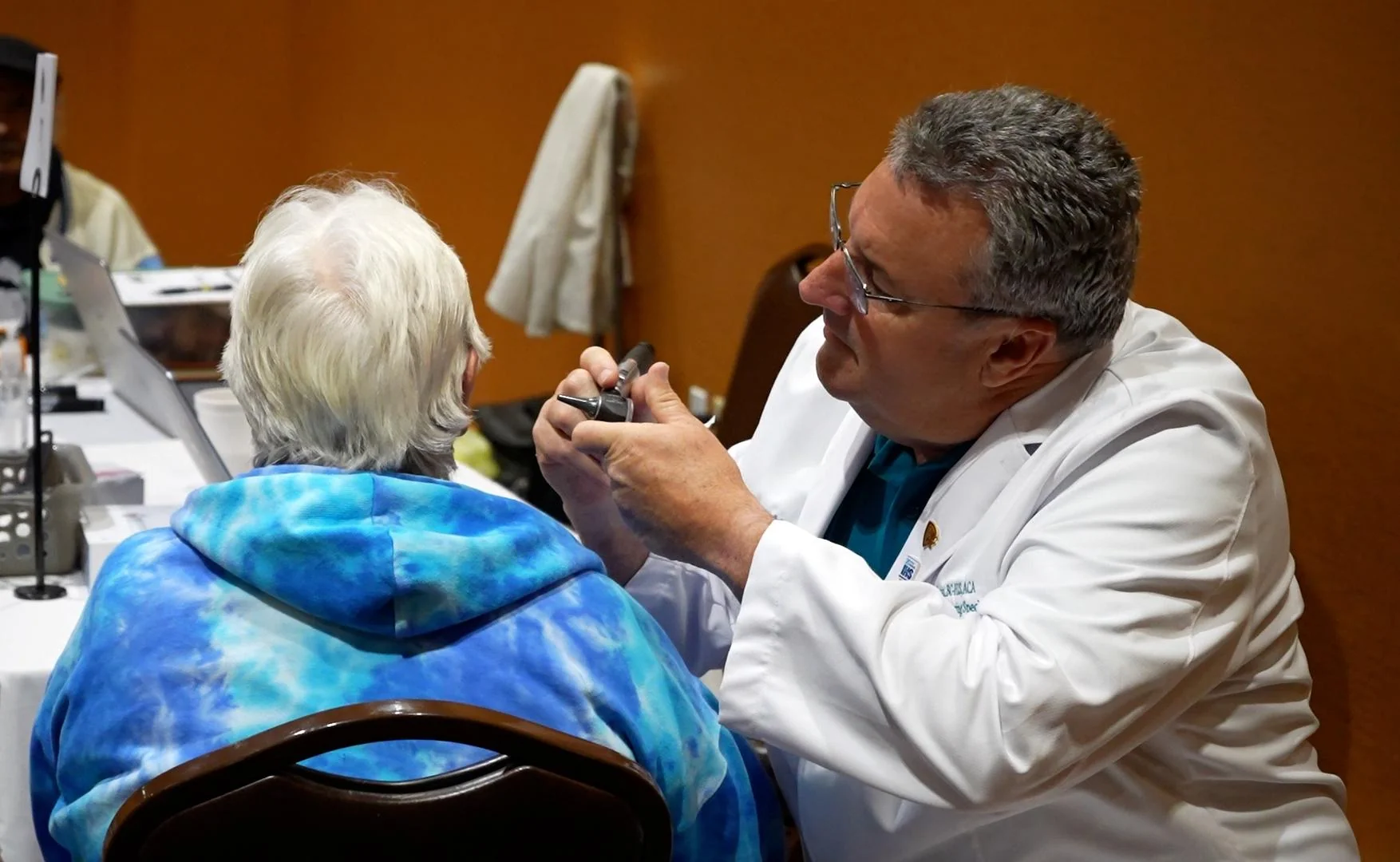
Many people start with a simple screening as provided by your primary care professional. If more testing is needed, you may be referred to an audiologist or an ear, nose, and throat doctor. A detailed hearing evaluation can take about an hour.² Common tests include¹:
- Pure-tone test: You wear headphones and signal to the professional each time you hear a tone. This test finds the quietest sounds you can hear at different pitches.
- Speech test: You repeat simple words played at different volumes, some over background noise. This helps assess your ability to understand speech in both quiet and noisy situations.
- Bone conduction test: A small device vibrates behind your ear and sends sound straight to the inner ear. Comparing the results with what you hear through the air helps tell if there is a blockage of sound such as wax or fluid problems apart from inner ear damage.
- Tympanometry: Air pressure and sound make your eardrum move and graphs that movement. It can reveal any abnormalities within the middle ear such as damage to the eardrum, fluid build-up, or damage to the small bones of the middle ear.
- Otoacoustic emissions (OAE): A small probe in the ear canal checks whether the hair cells in your inner ear are working as they should.
Reading your results
Most individuals usually get their results right after testing. You may be shown an audiogram, the graph of your pure-tone results; it measures the quietest level you can hear at each pitch. In detailed testing, hearing is considered normal if you can hear tones from 250 to 8,000 Hz at 25 decibels or lower.² Beyond that number, your results should answer three questions: how severe the hearing loss is, which ear is affected more, and which type you have.
There are three main types of hearing loss, each with different causes and treatment options; conductive, sensorineural, and mixed, which is a combination of the first two types.
Conductive hearing loss occurs when sound is blocked from traveling through the outer or middle ear to the inner ear. Common causes include earwax buildup, fluid in the middle ear, or a hole in the eardrum. Depending on the cause, medication, other medical treatments, or surgery can often improve this type of hearing loss.²
Sensorineural hearing loss occurs when the inner ear or the nerve pathways that carry sound signals to the brain are damaged. This type of hearing loss is usually permanent, but hearing aids or other hearing devices may help improve your ability to hear and understand speech.²
What to do with the answers
If your test shows you may have hearing loss, there are several options available to you. If you have questions about your hearing test results, ask your provider to walk through them with you. Even mild hearing loss deserves attention: it can make normal speech hard to understand, and many older adults begin avoiding social situations as a result. ¹
Haven't been tested yet? The National Institute on Deafness and Other Communication Disorders (NIDCD) offers a ten question self-check for adults ages 18 to 64. Answering yes to three or more questions suggests it may be time to see an audiologist or an ear, nose, and throat specialist.⁴ Additionally, Miracle-Ear® offers a free online hearing test to help you understand if you’re able to hear different tones and help you decide if you need to seek professional help.
A path forward with Gift of Sound
Understanding your results is the first step. If you do have hearing loss, cost shouldn't keep anyone from acting on it. Through its Gift of Sound® program, the Miracle-Ear Foundation provides hearing aids and comprehensive hearing care, including fittings and follow up appointments, at no cost to individuals who qualify. Since 1990, the Foundation has helped more than 31,000 people reconnect with loved ones and the sounds of everyday life.
You can help someone rediscover the joy of hearing: donate to the Gift of Sound program today.
Know someone who has been putting off a hearing test? Share this guide and help take some of the mystery out of the appointment.
References
1. National Library of Medicine. (2023). Hearing Tests for Adults. https://medlineplus.gov/lab-tests/hearing-tests-for-adults/
2. National Library of Medicine. (2024). Audiometry. https://medlineplus.gov/ency/article/003341.htm
3. National Institute on Deafness and Other Communication Disorders. (2024). Quick Statistics About Hearing, Balance, & Dizziness. https://www.nidcd.nih.gov/health/statistics/quick-statistics-hearing
4. National Institute on Deafness and Other Communication Disorders. (2022). Do You Need a Hearing Test? https://www.nidcd.nih.gov/health/do-you-need-hearing-test