Earwax: When to worry, when to wait
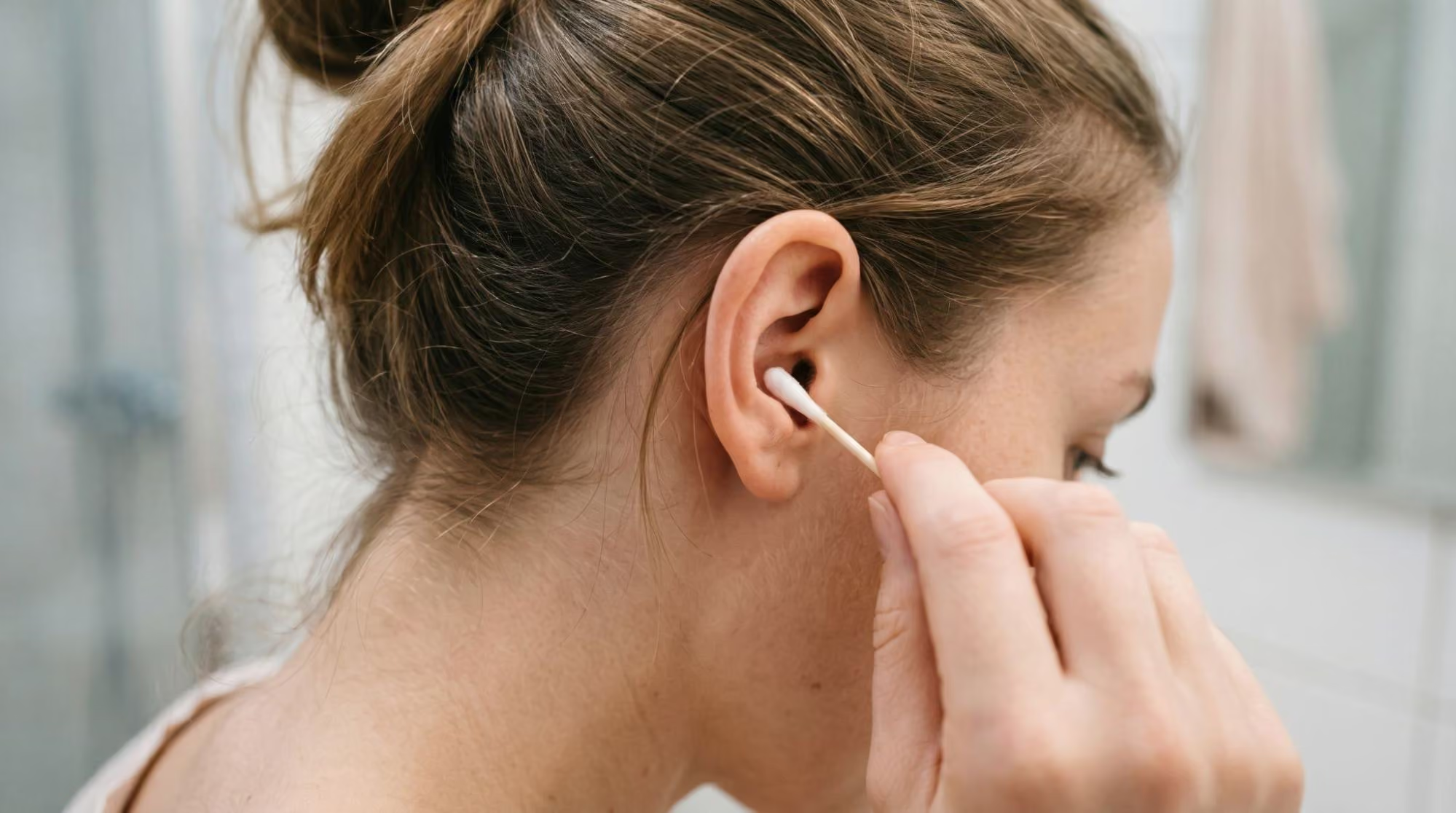
That cotton swab habit after every shower? It might be doing more harm than good. Most of us have been cleaning our ears the same way for years, and most of us have never questioned whether it's actually helping. As it turns out, one of the most common ear complaints in doctors' offices across the country traces back to exactly this kind of well-meaning routine. So when is cleaning your ears harmless, and when is it cause for concern?
Not as dirty as it looks
Earwax has a bit of an image problem. It's often treated as something dirty that needs to be scrubbed out when in reality, it's a normal, protective substance your body produces on purpose. Cerumen (the medical term for earwax) moisturizes the ear canal and protects it from infection, acting as a barrier against water, dust, and even insects.¹ Left alone, it usually clears itself out. Ironically, some of the most common “cleaning” habits can make the problem worse and can even cause damage to the ear itself.
This is a more common problem than most people realize. Cerumen impaction is the most frequent ear complaint clinicians see in the United States, affecting up to 6% of the general population, 10% of children, and more than 30% of older adults. That equates to roughly 12 million medical visits and 8 million removal procedures every year.¹ That’s a lot of wax!
Why wax builds up
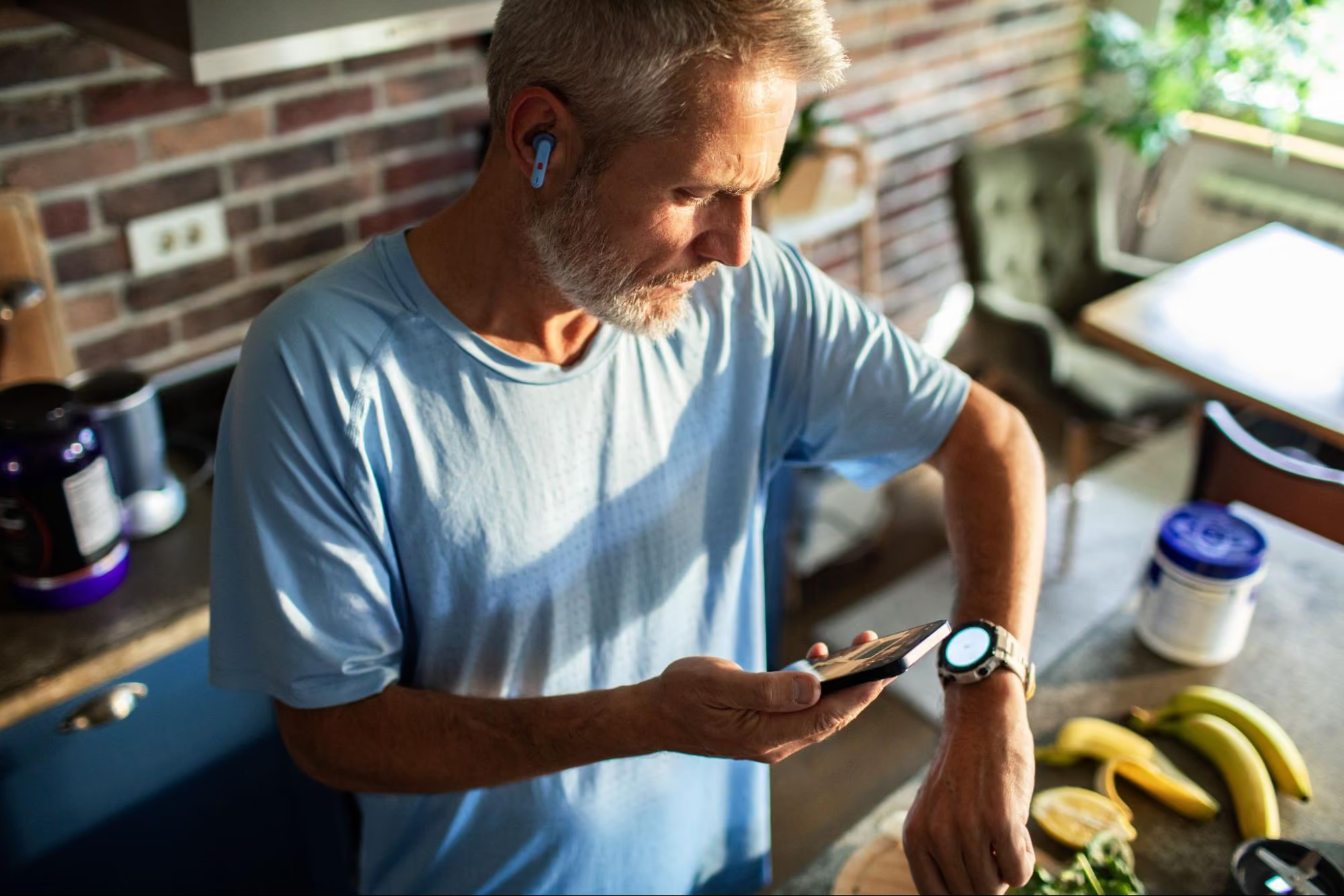
Under normal circumstances, jaw movement from talking and chewing gradually pushes old earwax out of the ear canal on its own. But several things can disrupt that process: cotton swabs, hearing aids, earbuds, or anything else inserted into the ear canal can push wax deeper instead of removing it. Excess ear hair, narrow or oddly shaped canals, and previous ear surgery can also interfere with the body’s natural wax clearing mechanism. When wax builds up faster than it clears, your ears can become impacted. Earwax that’s packed tightly enough to press against the eardrum can cause noticeable symptoms: a feeling of fullness, muffled hearing, ringing in the ears, itching, or discomfort.²
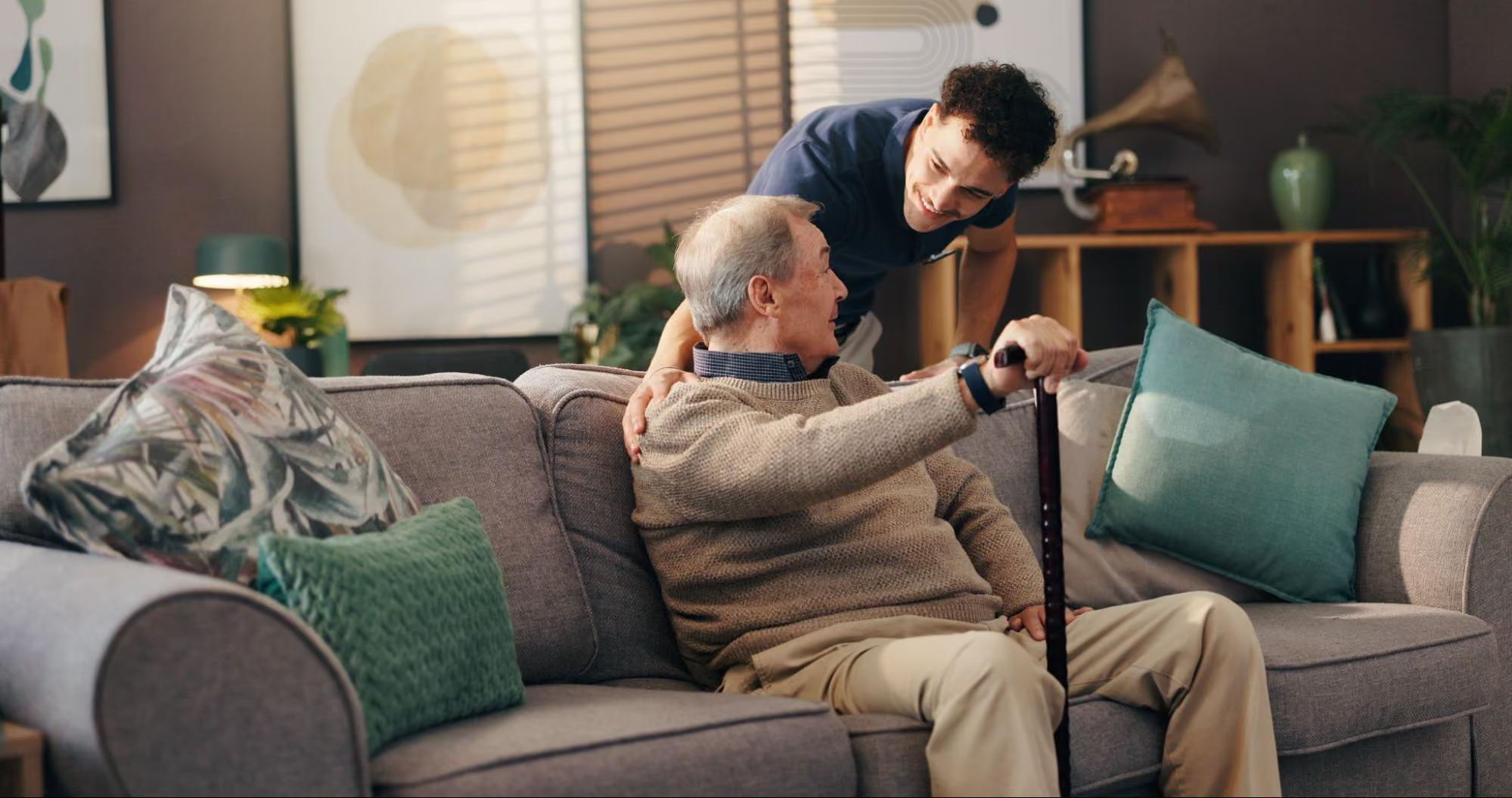
Certain groups face a higher risk of this happening than others. People who routinely wear hearing aids or earplugs are especially prone to impaction, since these devices can block the canal's natural clearing path and push wax further in over time.¹ Older adults are also disproportionately affected; which matters because impacted earwax can mimic or worsen age-related hearing loss, making it harder to know what's actually behind a change in hearing. When hearing changes occur, seeking professional guidance can help ensure the underlying cause is properly identified and addressed.
The right way to clean
If you suspect a blockage, resist the urge to dig it out yourself. Cotton swabs, bobby pins, and similar objects are among the most common causes of impaction because they can push ear wax deeper into the canal, and ear candling (despite its popularity online) isn't an effective wax removal method and carries a real risk of burns or making the problem worse.³ The safest approach is also the simplest: clean only the outer ear with a soft, damp washcloth, and let the inner ear take care of itself.
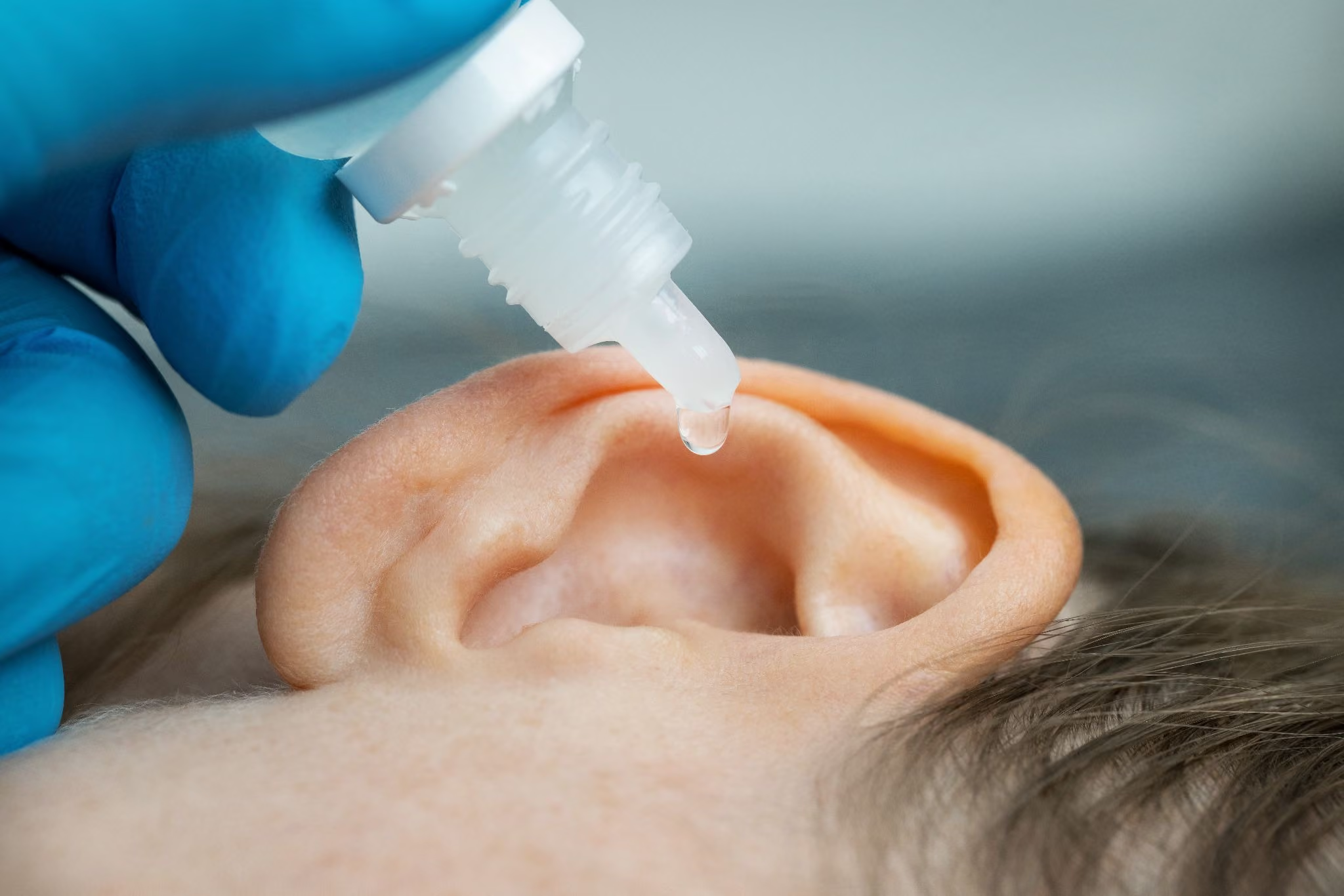
When wax does need to come out, a healthcare provider may recommend several safe options including: softening drops, gentle irrigation with warm water, or manual removal with specialized tools.³ If you're managing this at home with over-the-counter softening drops, give it several days before expecting results; earwax doesn't dissolve overnight.
It's worth seeing a provider if you notice sudden hearing changes, ear pain, drainage, dizziness, or ringing that doesn't go away. These symptoms don't always mean earwax is the cause, but they shouldn't be ignored, especially since a blockage can be mistaken for other, more serious causes of hearing loss.
Help within reach
Something as simple as earwax buildup can mimic, or mask, genuine hearing loss; which is exactly why regular hearing checks matter. Through its Gift of Sound® program, the Miracle-Ear Foundation® provides hearing aids and comprehensive hearing care, including fittings and follow-up appointments, at no cost to individuals who qualify. Since 1990, the Foundation has helped more than 31,000 individuals reconnect with the sounds and the people that matter most.
You can help someone rediscover the joy of hearing — donate to the Gift of Sound program today.
Know someone who's been reaching for a cotton swab for years? Share this resource and help them protect their hearing.
References
1. NCBI Bookshelf, StatPearls. (2023). Cerumen Impaction Removal. https://www.ncbi.nlm.nih.gov/books/NBK448155/
2. NCBI Bookshelf, StatPearls. (2026). Ear Irrigation. https://www.ncbi.nlm.nih.gov/books/NBK459335/
3. NCBI Bookshelf, National Institute for Health and Care Excellence. (2023). Outer Ear Infection: What Helps If Earwax Builds Up? https://www.ncbi.nlm.nih.gov/books/NBK279354/